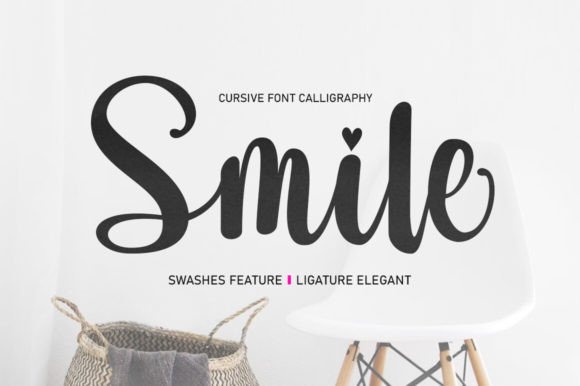
Discover the Elegance of Smile Calligraphy
Smile Calligraphy is more than just a font—it's a statement. With its graceful, flowing strokes and refined character, this modern handwritten font brings a touch of sophistication to any design. Whether you're creating invitations, branding materials, or editorial layouts, Smile Calligraphy adds warmth and personality that sets your work apart.
Designed for those who appreciate both style and functionality, Smile Calligraphy blends elegance with readability. Its unique structure makes it ideal for projects that require a personal, artistic flair without sacrificing clarity. This font is particularly well-suited for upscale events, creative businesses, and digital content that aims to connect on an emotional level.
What Makes Smile Calligraphy Unique?
At first glance, Smile Calligraphy stands out due to its distinct hand-drawn aesthetic. Unlike standard fonts that often feel rigid or generic, this one captures the essence of human handwriting. The subtle variations in stroke weight and the fluid curves give it a natural, organic feel that feels more authentic and engaging.
The font’s design is inspired by traditional calligraphy techniques, but with a contemporary twist. Each letter is carefully crafted to maintain balance and harmony, ensuring that even complex words remain legible. This blend of tradition and innovation makes Smile Calligraphy versatile enough to work in a variety of contexts, from formal to casual.
Another key feature is its adaptability. Smile Calligraphy comes in multiple weights and styles, allowing users to choose the right tone for their project. Whether you need a bold, eye-catching headline or a soft, elegant body text, this font offers flexibility that few others can match.
Where Can You Use Smile Calligraphy?
Smile Calligraphy is incredibly versatile, making it a popular choice across different industries and applications. One of the most common uses is in event invitations, especially for weddings, birthdays, and corporate functions. Its elegant appearance helps set the tone for special occasions, adding a personal touch that printed fonts often lack.
For personal branding, Smile Calligraphy can be used to create logos, social media handles, and business cards. It gives a brand a distinctive identity that feels approachable yet professional. This is especially useful for small businesses, artists, and creatives looking to stand out in a competitive market.
In editorial design, such as magazine layouts, blog headers, or book covers, Smile Calligraphy adds visual interest and a sense of refinement. It works well when paired with other fonts to create a layered, dynamic look that draws readers in.
Additionally, the font is great for digital content like email newsletters, website banners, and social media posts. Its friendly, expressive style can help convey a message with more emotion and authenticity, which is crucial for building connections with audiences.
Who Benefits from Using Smile Calligraphy?
Smile Calligraphy appeals to a wide range of users, from individual creators to large organizations. Entrepreneurs and small business owners often use it to develop a unique brand voice that resonates with their target audience. It helps them communicate their values and vision in a way that feels genuine and memorable.
Graphic designers and typographers appreciate the font for its versatility and aesthetic appeal. It allows them to experiment with different layouts and visual hierarchies while maintaining a cohesive style. For those working on custom design projects, Smile Calligraphy offers a reliable and stylish option that can elevate the overall quality of their work.
Artists and content creators also find value in using Smile Calligraphy. Whether they're designing artwork, crafting social media content, or producing digital art, the font adds a personal, artistic touch that enhances their creative expression.
Strengths and Considerations
One of the main strengths of Smile Calligraphy is its ability to add a human element to digital designs. It creates a sense of warmth and connection that many other fonts cannot achieve. This makes it ideal for projects that aim to build trust and rapport with an audience.
However, there are some considerations to keep in mind. While the font is highly readable, it may not be suitable for long blocks of text. In such cases, it's best to pair it with a more conventional typeface to ensure clarity and readability.
Another point to note is that the font's unique style may not fit all design aesthetics. Users should consider the overall tone of their project before deciding to use it. For example, a highly technical or minimalist design might benefit more from a clean, sans-serif font rather than a calligraphic one.
Real-World Applications of Smile Calligraphy
Let’s look at a few examples of how Smile Calligraphy has been used effectively in real-world scenarios. A wedding planner might use it for invitation designs, incorporating it into the header and closing lines to create a romantic, personalized feel. The font’s flowing style complements the event’s theme and adds a touch of sophistication.
A boutique clothing brand could use Smile Calligraphy for their logo and packaging. By integrating it into their branding, they can convey a sense of luxury and craftsmanship that aligns with their product offerings. This helps differentiate them from competitors and builds a stronger brand identity.
Even in educational settings, Smile Calligraphy can be useful. Teachers or educators might use it for lesson plans, certificates, or classroom decorations to make learning more engaging and visually appealing. Its friendly, expressive nature can help create a welcoming environment for students.
Evaluating Suitability for Your Projects
When considering whether to use Smile Calligraphy, it’s important to evaluate how well it aligns with your project’s goals. Ask yourself: Does this font support the message I want to convey? Will it enhance the visual appeal of my design without causing confusion?
It’s also helpful to test the font in different contexts. Try using it in various sizes and placements to see how it performs. If possible, view it on different devices and backgrounds to ensure it remains legible and visually pleasing.
Finally, consider the preferences of your target audience. Some people may prefer a more traditional or modern look, so understanding their expectations can help you make a more informed decision about whether Smile Calligraphy is the right choice for your project.